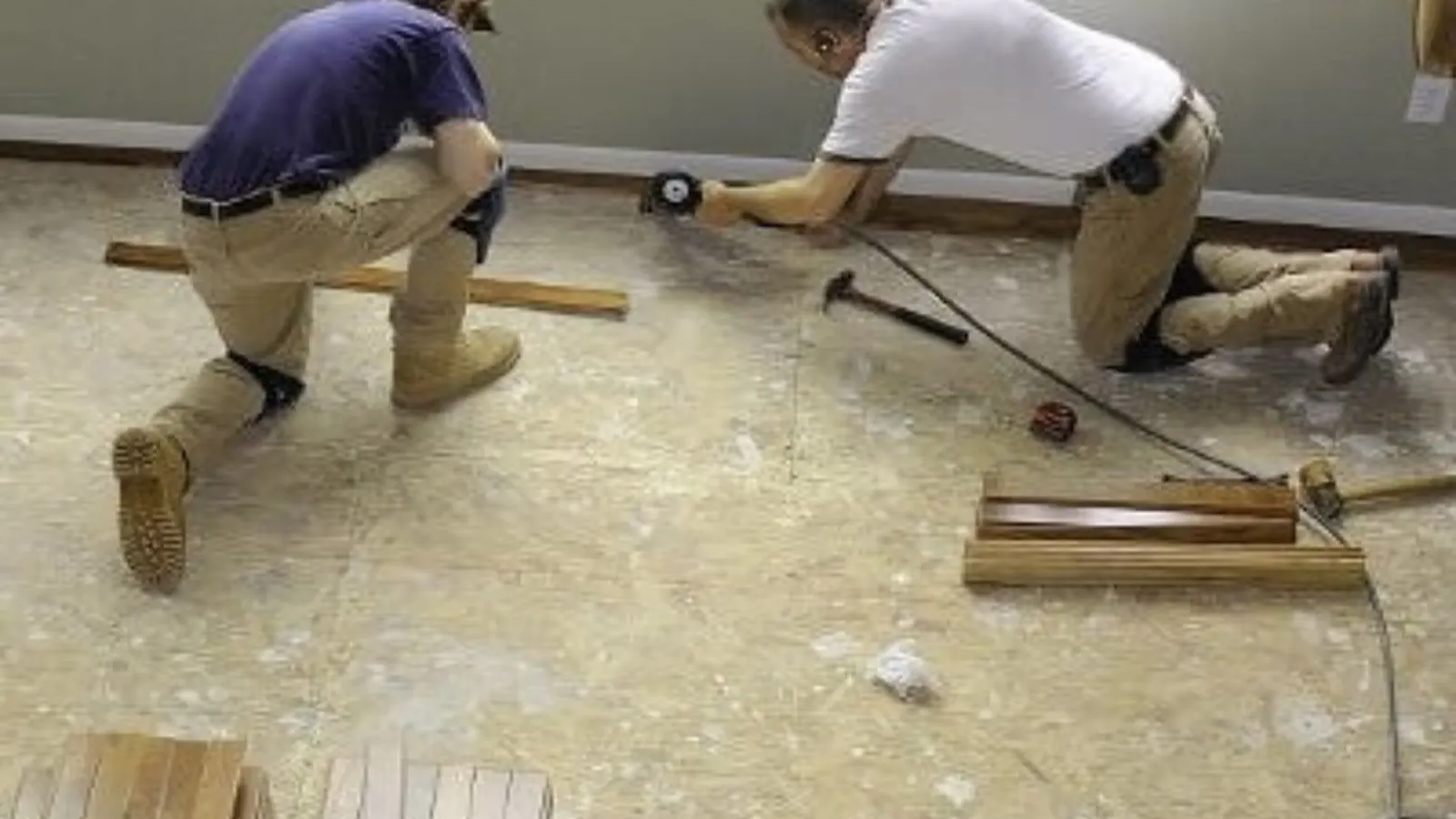
What Water Damage Repair Covers
Repair starts only after moisture readings show the structure has dried to its goal. At that point the crew removes what cannot be saved and rebuilds it: drywall, insulation, baseboard, flooring, cabinet toe kicks, paint and in some cases framing or subfloor sections.
This page is about the rebuild. Pulling out standing water belongs to emergency water removal, and sorting ruined debris from salvageable items is covered under water damage cleanup. Keeping those jobs separate keeps the scope clear and the price easier to follow.
Why Repairs Come Up So Often in Bellflower
The 2020 census counted 25,220 housing units in Bellflower, and about 61 percent were rented. The city's draft housing element says nearly half the stock is single-family detached, so a large share of residents live in apartments and other multi-unit buildings. A leak in one unit often becomes ceiling and wall damage in the unit below, and the repair has to be coordinated with a property manager.
The same document reports that most homes were built before 1970. Older wall cavities can hold original pipes, old insulation and layers of paint, which affects how a repair is scoped. A crew opens the damaged area, checks for hidden moisture and then sizes the replacement.
Ceiling and Wall Water Damage Repair
A brown ring on a ceiling, a bubble in paint or a soft spot on a wall usually means water has been in the cavity for some time. The visible stain is often smaller than the wet area, so the first step is a moisture meter and a thermal camera sweep to find where the water went.
Sagging drywall that is holding water should be released carefully and never poked from below without protection. Once the cavity is open and dry, the crew replaces the insulation, hangs and finishes new drywall, then primes with a stain-blocking primer before paint. Texture is matched where the original had one. If the stain keeps returning, the source has not been fixed and the repair should wait.
Signs the damage is bigger than the stain
A musty smell near the stain, paint that bubbles again after drying, baseboards that have started to swell and a ceiling that feels spongy are all signs water reached the framing. Call before painting over the spot, because paint hides the evidence and can seal moisture in.
Wood Floors, Cabinets and Trim
Wood is the material people most often ask about. Hardwood that has begun to cup, with the board edges rising above the center, is reacting to moisture from below or from humidity trapped by a spill. Drying it with controlled airflow and a dehumidifier can let some floors flatten again before any sanding, which is why drying comes first and refinishing is decided afterward.
Cabinet bases and the toe kick under a kitchen sink are common casualties of a slow supply line leak. Particleboard swells and does not recover, so those pieces are usually replaced, while solid wood trim can often be dried, sanded and refinished.
| Material | Often repaired | Often replaced |
|---|---|---|
| Drywall | Small, dry areas with intact paper | Sagging, crumbling or contaminated sections. |
| Insulation | Rarely, when dry and clean | Wet batts and anything that touched Category 2 or 3 water. |
| Hardwood floor | Floors that dry flat and can be sanded | Floors with widespread cupping, buckling or finish failure after drying. |
| Cabinet base | Solid wood that dried without warping | Particleboard that swelled. |
| Carpet pad | Not usually | Almost always, since it traps water. |
What Drives the Cost of Water Damage Repair
Repair pricing follows five factors: the water category, the square footage involved, the materials that must be replaced, how many days of drying were needed before work could begin, and the scope of the rebuild itself. A single ceiling patch and a full kitchen wall with new cabinets sit at opposite ends.
Scope and price are explained before work starts. If you want your real number, call and describe what you see.
Describe the stain, the room and where the water came from, and we will tell you what the repair would involve.
Insurance and Permits
Sudden and accidental damage is often covered, while gradual leaks often are not. Check your policy or ask your insurer. Photos taken before repair and a written scope help most claim reviews.
The City of Bellflower's permit handout lists plumbing, electrical and water heater work as needing permits, but it does not address drywall or water damage repair directly. Call the city at (562) 804-1424, extension 2006, to confirm what your project needs before work begins.
Safety Before Repairs Begin
- If water is near outlets, appliances or a panel, stay out and leave the power off until it is checked.
- Shut off the water at the fixture or the main valve if you can reach it safely.
- Move people, pets and small valuables out of the wet area.
- Photograph the damage before anything is moved.
- Call 911 first for fire, gas odor or any risk to life.
Repair Questions From Bellflower Homes
Repairs begin after drying is complete and the readings reach the drying goal. Starting earlier risks trapping moisture behind new drywall or flooring, which can lead to mold and a second repair.
Yes, with the property manager or association involved. Leaks between units often need access to both the source unit and the damaged unit, and the owner may need to approve the scope.
Not safely until the cavity is checked and dry. Painting over a damp ceiling can seal moisture in and the stain often bleeds through. Stain-blocking primer comes after the repair, not instead of it.
Crews match texture, trim profile and paint as closely as possible. Exact matches depend on discontinued products and aging of the surrounding finishes, so ask about samples before work starts.
It depends on the work. Plumbing, electrical and water heater changes need permits according to the city's handout, and the handout does not address drywall repair directly. Ask the city building staff before starting.
Finding the source comes first. Moisture meters and thermal imaging can trace water to a wall, a slab or a ceiling cavity. Plumbing repair itself is a separate trade, and we will tell you when you need a plumber before repairs can start.
Neighbors in Downey and Lakewood can reach the same dispatch line for repair scoping, and a wet structure that is not yet dry should begin with water mitigation.