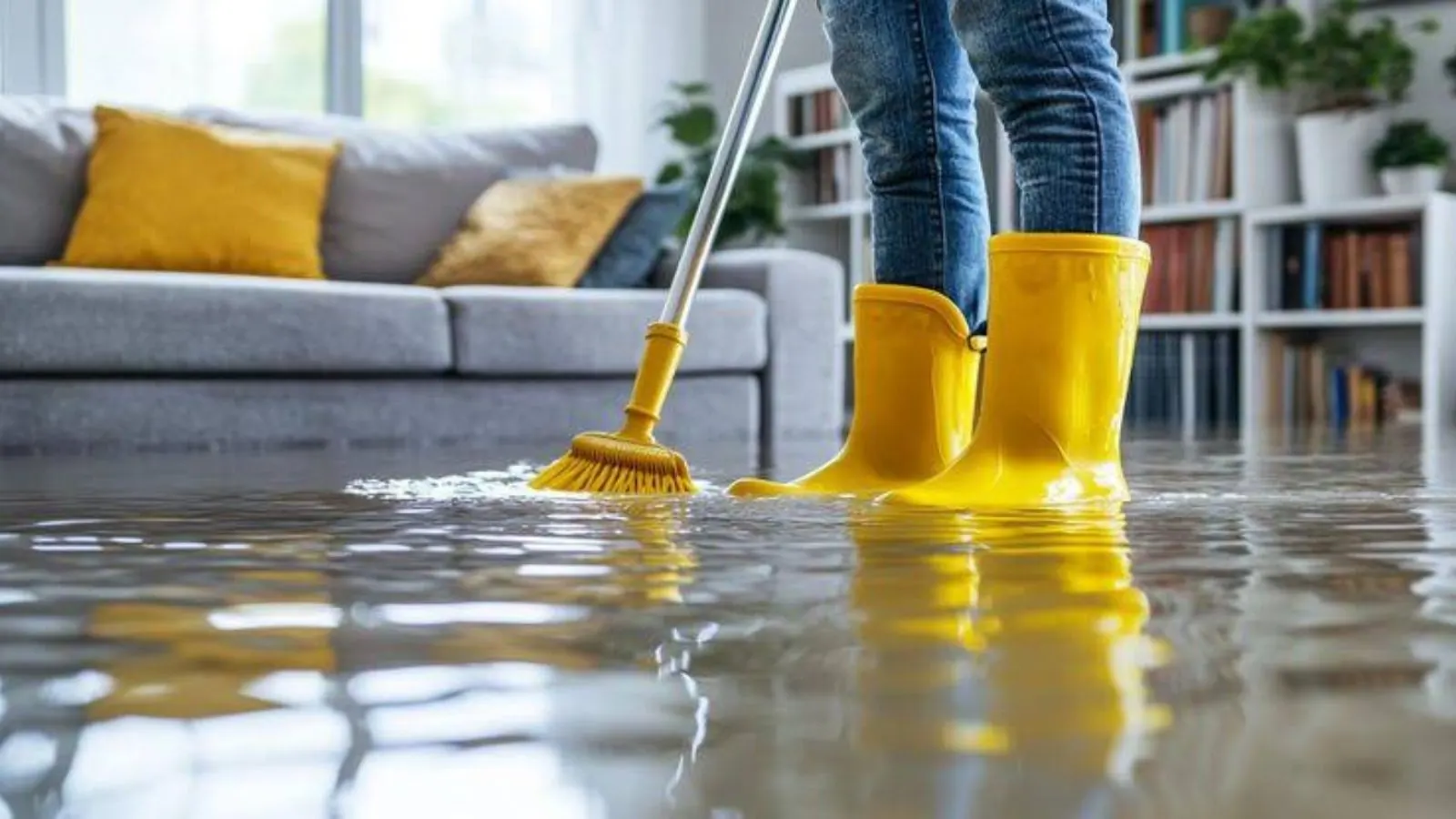
The First 48 Hours After a Leak
The first two days decide whether a wet room gets cleaned or condemned. Carpet pad, wet drywall at the floor line and soaked insulation hold water against materials that would otherwise dry. Removing them early is usually cheaper than treating the odor and mold that follow.
Same-day response is offered when crews are available, and after-hours calls are answered by the same 24/7 dispatch line. While you wait, lift valuables, open windows for air if the weather allows and keep everyone out of any water that came from a drain or outdoors.
What Cleanup Includes
Crews separate materials into three groups: what can be dried and kept, what can be cleaned and sanitized, and what must be bagged and removed. Carpet pad is nearly always removed, carpet itself is sometimes saved after cleaning, and drywall that wicked water upward is cut a few inches above the visible line.
After debris is out, hard surfaces and framing are cleaned and treated with an antimicrobial suitable for the water category. Odor control comes last, since a smell that survives drying usually means something wet was left behind. Cleanup can overlap with water mitigation on the same visit, and the scope keeps them distinct.
| Material | Usual handling |
|---|---|
| Carpet pad | Removed and replaced. |
| Carpet | Extracted and cleaned if Category 1, often removed if Category 2 or 3. |
| Drywall | Cut out above the wicking line if wet, kept if dry and clean. |
| Wood furniture | Dried and cleaned, finish checked afterward. |
| Upholstered items | Cleaned if Category 1 and caught early, often discarded after contaminated water. |
| Books and paper | Frozen or dried quickly when valuable, otherwise discarded. |
When Cleanup Is an Emergency
Contaminated water is the clearest emergency. Water from a toilet, drain or storm drain should not be handled by residents, and any room that smells of sewage needs trained crews with proper protective equipment. See flood damage restoration for backups and outdoor water.
Clean water becomes less clean the longer it sits. Water that began as a supply line leak can pick up bacteria from the carpet, the pad and the floor, which is why the first two days matter.
Shut off the source
Close the fixture valve or main so no new water arrives.
Do not use a household vacuum
A standard vacuum is not made for wet debris and can be damaged or become an electrical risk.
Set aside wet valuables
Photos, documents and small keepsakes can sometimes be saved if they are separated and dried right away.
Take photos first
Capture the damage before anything is removed so your insurer sees what was lost.
Cost Factors for Cleanup
Cleanup pricing follows the water category, the square footage involved, how much debris must be hauled, how far drying has progressed and what repairs come next. A kitchen floor with Category 1 water costs far less to clean than a ground floor affected by a drain backup.
Scope and price are explained before work starts, and the dispatch line can describe the factors on a call.
Insurance in general terms
Sudden and accidental water damage is often covered, and gradual leaks and neglect often are not. Flood damage is usually excluded. Check your policy or ask your insurer, and keep a list of discarded items with photos so contents are documented.
Source stopped and the mess is still there? Call and we will explain what cleanup would involve for your rooms.
Cleanup Questions
Yes. The dispatch line is open 24 hours a day, every day, and same-day response is offered when crews are available. No arrival time is promised.
Pad is nearly always removed. Carpet depends on the water category and how long it was wet. The crew explains the decision before it is removed.
Cleanup removes debris and sanitizes. Drying removes moisture from what remains. Both are scoped separately, and drying readings decide when the structure is ready for repair.
Small clean spills, yes. Anything from a drain, toilet or outdoors, anything near electrical outlets and anything covering a large area should be left to trained crews.
A lingering smell usually means a wet material was left behind or a cavity has not dried. The crew checks with moisture readings, treats the source and then addresses the air.
The same dispatch line can scope water damage repair once the structure is dry.