What the Term Means
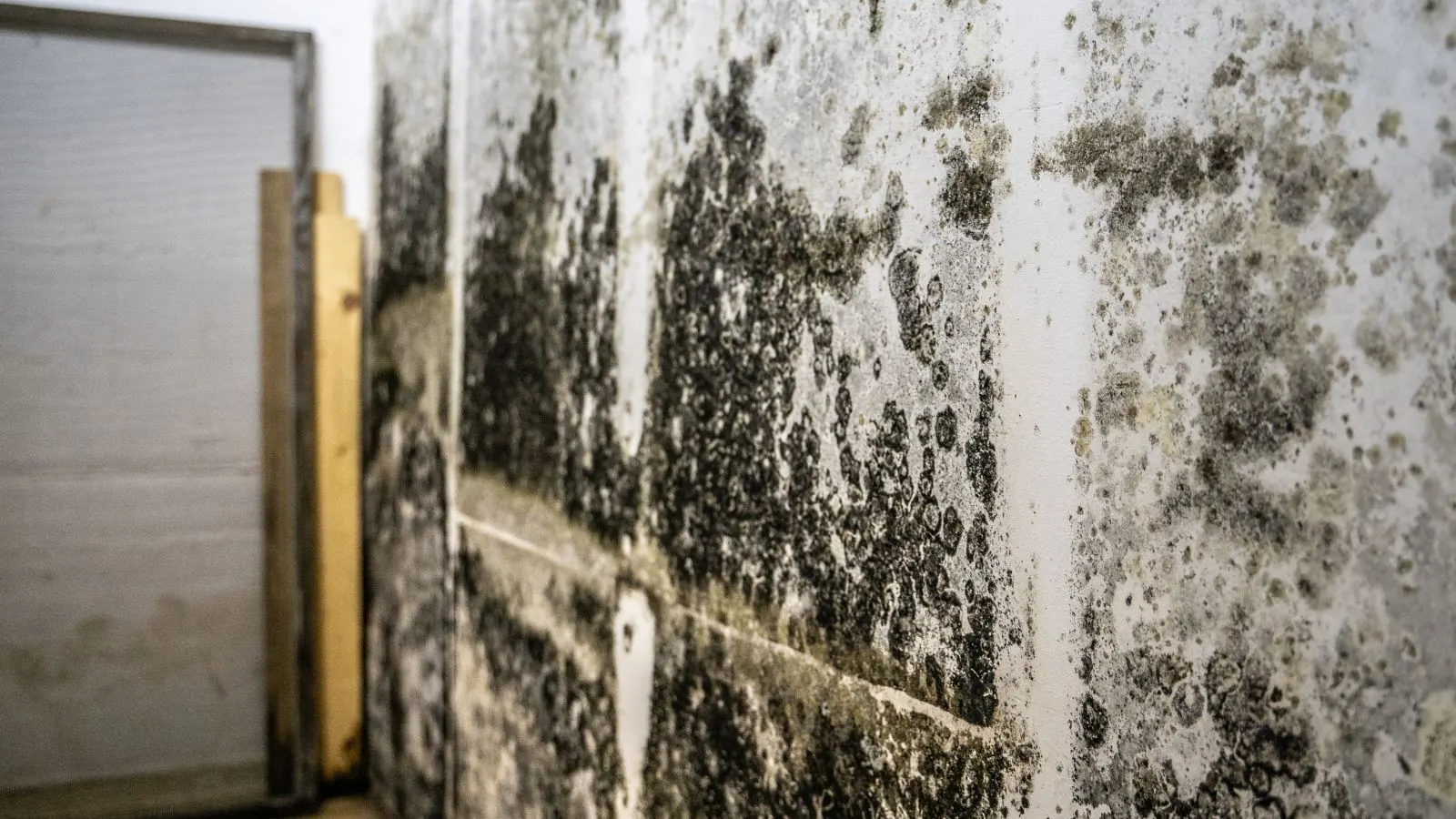
People use black mold in two ways. Some use it for any mold that looks black or dark green. Others mean a particular species that is often discussed in the media. These are not the same, and many dark molds are common and unrelated to that species.
Because looks overlap, lab analysis is the only way to identify a species. A restoration company can find moisture and remove growth, but it should not tell you which species you have by looking at it.
| Common belief | Practical reality |
|---|---|
| Black color means the worst kind | Color does not identify species. |
| A home test kit tells me what I have | Kits show spores exist, which is common. |
| Bleach solves it | Surface cleaning does not fix moisture or porous materials. |
| A small spot can be ignored | It signals moisture that needs to be found. |
| Only old houses get it | Any building with a moisture problem can. |
Why We Do Not Make Health Claims
Questions about symptoms and risk belong to a physician. We are not medical professionals, and we do not make statements about what mold does to health. If anyone in your home is concerned, call a doctor.
What we can do is find the moisture that fed growth, remove contaminated materials under containment and dry the space. That is the practical response, regardless of color or species.
What to Do If You Find Dark Growth
- Stay calm and avoid disturbing it.
- Keep people and pets out of the room if the patch is large.
- Photograph it with something for scale.
- Look for the water source and stop it if you can.
- Call for an assessment, and ask whether the crew follows ANSI/IICRC S520.
Testing and Identification
If you want to know the species, an independent tester can take samples and send them to a lab. Ask who does the sampling, what lab is used and how results will be explained. A tester who also sells removal is a conflict, so many homeowners choose a separate party.
Testing is optional. Many jobs proceed with removal based on visible growth and moisture findings, with clearance testing afterward if you want proof.
Removal Looks the Same Either Way
Whether the growth is a common dark mold or something else, the remediation process is similar. It uses containment, negative air, removal of affected porous materials, cleaning and drying. See mold remediation for the steps.
Preventing a Return
- Fix leaks quickly and dry wet materials within a short time.
- Use bathroom and kitchen exhaust fans.
- Keep indoor humidity moderate and watch for condensation on windows.
- Do not store items against cold exterior walls.
- Check for hidden moisture after any plumbing or roof repair.
Talking to Your Landlord or Insurer
If you rent, report growth in writing with photos. Landlords usually handle building repairs, and your renters policy may respond to your belongings. For homeowners, mold coverage varies, so read your policy and ask your insurer what applies.
Do not rely on the word black to prove a claim. Documentation of the water source, readings and the scope of work does more.
How Media Coverage Shapes the Fear
News stories and online forums have made black mold a scary phrase. That attention is understandable, but it can push people to either panic or ignore the problem. A calm approach works better: confirm the moisture, have growth assessed and follow a plan.
The right response is not different because of a headline. A wet building is a wet building, and the steps to dry and clean it are the same.
When to Pause and Get Help
- The growth covers a large area or more than one room.
- It appeared after sewage or floodwater.
- It is near the HVAC system or air handler.
- Someone in the home has health concerns.
- The musty smell is strong and you cannot find the source.
Any of these is a reason to stop cleaning and arrange an assessment. A professional can tell you what is needed before you spend on supplies or risk spreading spores.
Documentation for Disputes
In a rental or insurance dispute, photos, dates and a written scope matter more than the name used for the growth. Record where it is, how big it is and what moisture event came before. A clear file helps everyone move to the repair stage.
Pets, Plants and Belongings
Keep pets out of rooms with visible growth and away from work areas during removal. Move plants and valuables to a clean room before containment goes up, and ask the crew which belongings should be cleaned or replaced.
After the Cleanup
Once the work is done, walk the area with the crew and look at the surfaces, the smell and the dry readings. Keep humidity steady, keep up ventilation and check hidden spots for a few months. If something returns, call early, since small recurrences are easier to resolve than large ones.
Keep the written scope and any lab report in one folder. If a question comes up later about what was found and what was done, those documents answer it better than memory.
Bellflower Local Note: State Rules and Who to Ask
Rules for mold work can differ by job type, so ask any company whether the state licenses mold work and what applies to yours. Keep the answer in writing.
For city-level questions in Bellflower, Public Works through City Hall at (562) 804-1424 is the starting point. Neighbors in Norwalk, with four water providers, or in Cerritos can ask their own city halls.
Black Mold FAQ
No. Soot, dirt and other stains look similar, and many dark molds are common. A lab can identify a species.
That is a personal and medical question. Talk to your doctor, and ask a restoration company about containment and the expected timeline.
Small spots on nonporous surfaces may be cleaned. Growth on drywall, wood or carpet should be assessed first.
It depends on the cause and your lease. Report it in writing with photos, and keep copies.
No. We find moisture and remove growth. Species identification is done by a lab through a tester.