Where Mold Hides in Lower Levels
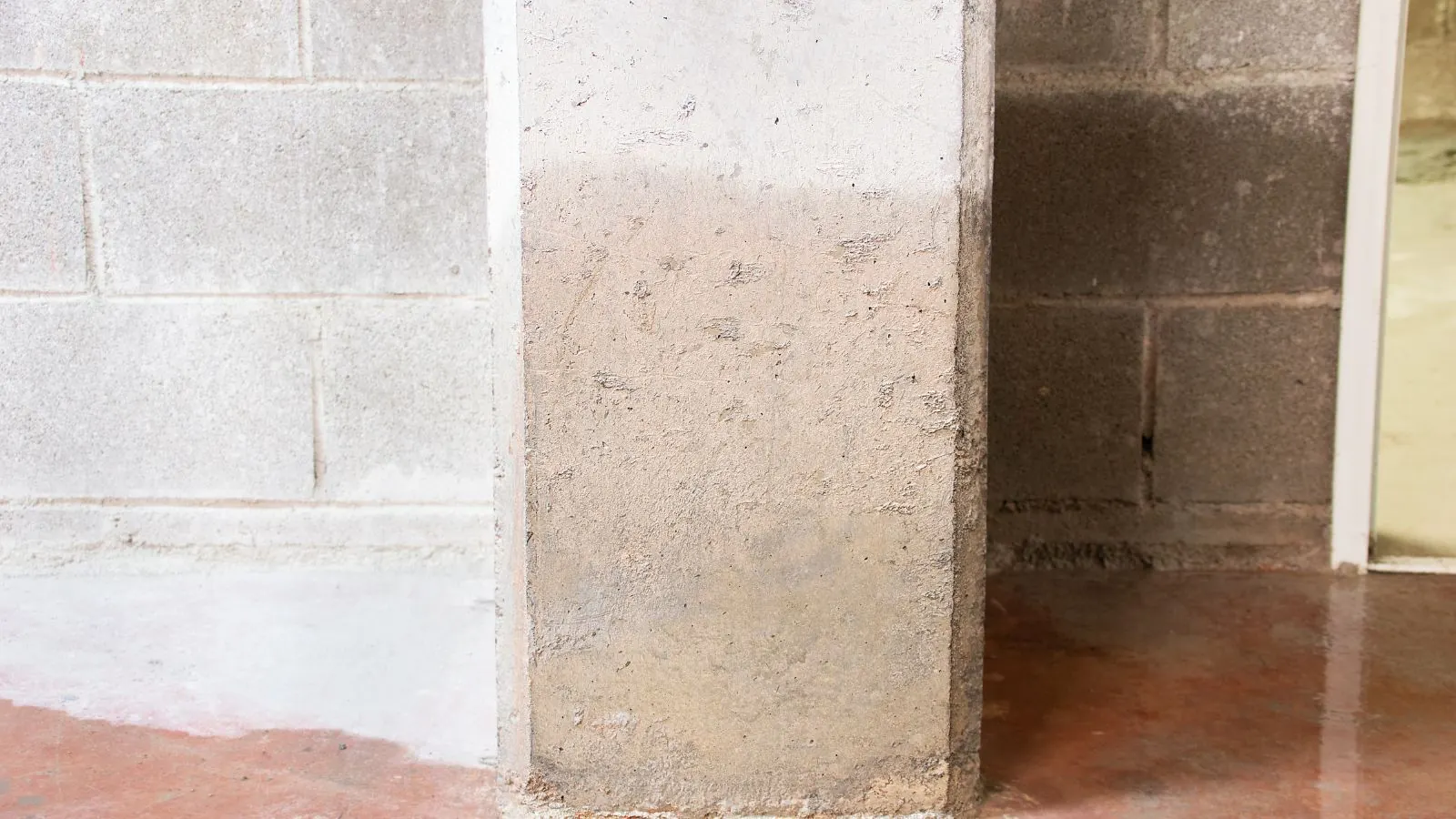
Below-grade and ground-level spaces stay damp for several reasons: they sit next to wet soil, they get less airflow and they often hold stored boxes and cardboard that mold can feed on. Look behind stored items, along the base of walls, under stairs and around water heaters.
Basements are uncommon in many Southern California homes, so check what your property has. A crawl space, a slab with a finished garage, an enclosed laundry room or below-grade parking in a multi-unit building each have their own moisture patterns.
Find the Moisture Source First
| Source | Typical clue | Who fixes it first |
|---|---|---|
| Plumbing leak | Wet spot near a pipe or water heater | Plumber. |
| Groundwater or drainage | Water after rain at the wall base | Drainage or waterproofing contractor. |
| Condensation and humidity | Damp air, cold walls, no airflow | Ventilation and dehumidification. |
| Appliance leak | Wet floor near washer or water heater | Appliance repair or plumber. |
Restoration is not waterproofing. We dry, clean and remove mold, and we say so when the real fix is drainage work that another trade must do.
What You Can Do While You Arrange Help
- Move cardboard and stored items out of the damp area and photograph them first.
- Open the space for airflow when the weather allows.
- Run a dehumidifier and empty it regularly.
- Do not brush or vacuum visible growth, since that spreads spores.
- Write down when you first noticed the smell or stain.
How Professionals Remove It
The crew isolates the area with plastic sheeting and runs a negative air machine with a HEPA filter. Affected porous materials such as drywall, insulation and carpet are removed and bagged inside the containment. Framing and concrete are cleaned and dried.
The work follows the ANSI/IICRC S520 standard, and afterward you can ask for independent testing. See mold remediation for each step.
Floods and Standing Water Below Grade
If the lower level flooded, mold is a secondary issue after dirty water cleanup. Water from outside or a drain is treated as contaminated and needs protective handling, and flood damage restoration explains that process.
After drying, repairs replace what was removed. If groundwater is the cause, repairs without drainage work are a temporary fix.
Humidity and Ventilation in Closed Spaces
Lower levels are often closed up, with few windows and little airflow. Moist air from laundry, showers and cooking can settle on cool walls and floors and keep surfaces damp. In a garage or storage room, this shows up first on cardboard, fabric and wood shelving.
Simple changes help. Vent dryers outdoors, use exhaust fans, keep vents clear and leave a little space between stored items and the walls so air can move behind them.
Storage Habits That Prevent Regrowth
- Use plastic bins with lids in place of cardboard boxes.
- Raise items off the floor on shelving.
- Keep paper, fabric and wood furniture away from outside walls.
- Check the space every few months, especially after heavy rain or a plumbing repair.
- Add a hygrometer so you can see the humidity level.
Crawl Spaces and Garages
Crawl spaces sit under the home and are the most common lower-level space in older Southern California houses. They can collect moisture from plumbing leaks, poor drainage or vapor coming up from the soil. Wood framing and insulation overhead can hold that moisture.
A garage attached to the house is a different case. It is usually a slab with a door that lets in rain, and stored items are the main thing at risk. If there is a wall shared with living space, check that wall from both sides.
When to Call
Call if you see growth on more than a few small spots, if the smell is strong, if the area stays damp after you have fixed a leak or if wet materials cannot be dried in place. A moisture assessment tells you whether you have a drying job, a removal job or a drainage problem for another trade.
Insurance and Documentation
Coverage for mold varies a great deal, and many policies limit it or require that it stem from a covered water event. Read your policy or ask your insurer, and keep photos of the source and of the area before any cleanup.
If the cause was a sudden pipe or appliance failure, the water damage claim may be the route, so report that first. If the cause was ground seepage or humidity over time, expect those to be treated differently.
Smells Without Visible Growth
A musty odor in a lower level with nothing visible often points to growth behind a surface or in a stack of stored goods. Follow the smell to the strongest spot, then check behind baseboards, under flooring and inside cabinets.
Do not mask the odor with sprays. Find the damp material, because the smell will return as long as it stays wet.
Bellflower Local Note: A River That Used to Flood
The land under Bellflower was farmland watered by artesian wells and by San Gabriel River floods before the river was contained. The city's draft housing element says the river flooded each year along what is now Bellflower Boulevard.
Today the river is controlled, so check the FEMA Flood Map Service Center for your own address. Nearby, Downey was settled between the Rio Hondo and the San Gabriel River, and Cerritos sits along the river's western edge.
Lower-Level Mold FAQ
Basements are uncommon in Southern California, so check your property. You may have a crawl space, a slab and garage or below-grade parking in a multi-unit building.
It helps with humidity, but it does not fix a leak or remove growth. Use it alongside the real fix.
Paint does not fix a moisture source and can hide growth. Fix the source first.
Water after rain at the wall base suggests groundwater. A wet spot near a pipe suggests plumbing. A crew with a moisture meter can help trace it.
No. We handle drying, cleanup and mold removal, and we will tell you when a drainage contractor is needed.