Stage One: Still Wet
If materials are wet, the priority is drying and not mold. Stop the source, remove standing water and wet porous items and call a crew that measures moisture. Most mold problems begin when this stage is skipped or rushed.
Dryness is judged with a meter. A hand on a wall is not a good test, and a wall can feel dry while the cavity is wet. See water mitigation for how drying is done.
Stage Two: Dry but Smelling Musty
A musty smell after drying usually means some material is still damp or was left in place. Check the usual hiding places: under carpet, behind baseboards, inside cabinet bases and at the bottom of walls.
A crew can re-read the structure and open a small inspection hole where needed. If the readings are normal and the smell persists, testing may help find what is present.
Stage Three: Visible Spots
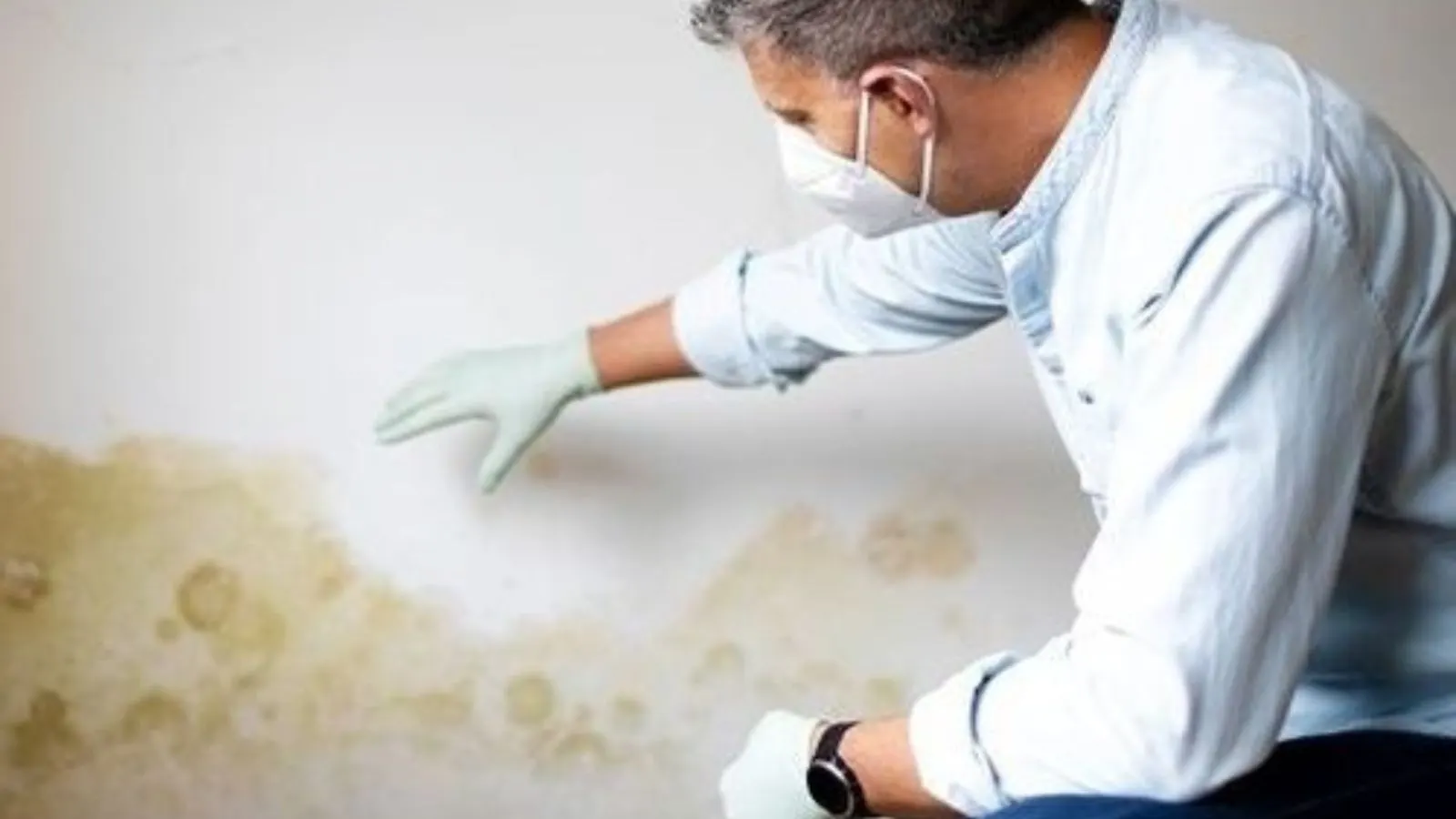
Visible growth means moisture lasted long enough for it to begin. Do not disturb it, because brushing and scrubbing can spread spores through the house. Close the door to the room, fix the moisture source and call for an assessment.
Small spots on nonporous surfaces like tile are different from growth on drywall or wood. The size and the material decide whether cleaning is enough or containment is needed.
| Stage | Priority | Who helps |
|---|---|---|
| Still wet | Dry the structure | Restoration crew with moisture meters. |
| Dry but musty | Find hidden moisture | Crew re-reading and inspecting. |
| Visible spots | Contain, assess and remove | Mold remediation under S520. |
| After removal | Confirm the area is clear | Independent testing if you want it. |
What Remediation Involves
Remediation sets up containment with plastic sheeting and negative air machines with HEPA filters. Workers wear protective gear and remove affected porous materials. Surfaces are cleaned, the area is dried and, when you want proof, a separate party can test the space afterward.
The process follows ANSI/IICRC S520, and it is worth asking any company whether its crews work to it. We do not make health claims about mold, and we do not promise it will not return, because that depends on the building staying dry.
Preventing a Repeat
- Fix the leak or condensation problem that caused it.
- Run exhaust fans in bathrooms and ventilate closets against exterior walls.
- Keep furniture a few inches from walls where moisture collects.
- Check under sinks and behind appliances every few months.
Why Timing Matters So Much
Mold needs moisture to begin growing, and the longer materials stay wet, the more likely growth becomes. That is why the first stage is the one that counts most. Drying quickly and verifying with a meter is far easier than removing mold later.
There is no single number of hours that applies to every house, since temperature, humidity and materials all play a part. Treat any wet material that you cannot dry quickly as a risk.
What Gets Removed and What Gets Cleaned
| Material | Light surface growth | Deep or widespread growth |
|---|---|---|
| Tile and glass | Cleaned | Cleaned. |
| Framing lumber | Cleaned and dried | Cleaned, sometimes sanded. |
| Drywall | Often removed | Removed. |
| Carpet and pad | Removed | Removed. |
| Insulation | Removed | Removed. |
Questions to Ask Before Hiring
- Will you set up containment and negative air?
- Does the work follow ANSI/IICRC S520?
- Who does the clearance testing after the work?
- Will you tell me if the moisture source still needs repair?
- What does the written scope include?
A clear answer to each of these tells you most of what you need to know about the company.
Testing: What It Can and Cannot Tell You
Air and surface samples can show what types of spores are present and how a space compares with outdoor air. They cannot tell you how a particular person will react, and a single sample is a snapshot of one moment. Results are most useful when compared with a baseline, such as an outdoor sample taken the same day.
Who takes the sample matters. A tester who also sells removal has a reason to find a problem, so many homeowners prefer an independent party. Ask what lab is used, what the report includes and how the results will be explained.
When Spots Return After Cleaning
Growth that comes back almost always means moisture is still present. Common causes are a slow leak inside a wall, condensation on a cold surface and a damp crawl space or slab. Cleaning again without finding the cause just repeats the cycle.
Bring in a moisture assessment before more cleaning. If readings show the structure is dry, the fix may be ventilation or a humidity control change instead of more removal.
Living in the Home During Work
Containment keeps spores in the work area, but you may still want to stay out of the affected rooms. Ask the crew which rooms stay closed, how long the work takes and what to do with pets, plants and valuables nearby.
Bellflower Local Note: Telling Your Manager in Writing
With 60.8 percent of Bellflower homes rented at the 2020 census, many mold questions involve a landlord. Report moisture or growth in writing, keep copies and dated photos and ask for the plan in writing.
In Paramount, where 57.1 percent of homes were rented, and in Lakewood, the same advice applies. Property managers often need an assessment before approving work, and a written scope makes that easier.
Mold After Water Damage FAQ
Small spots on nonporous surfaces can sometimes be cleaned, but growth on drywall, wood or carpet needs assessment. Do not scrub it, since that can spread spores.
A meter reading, not a touch test. Ask the crew to show the readings and compare them with an unaffected area.
No. Painting seals in the problem and the moisture that feeds it.
Your landlord or property manager, in writing, with photos. Keep copies, and tell your renters insurer if your belongings are affected.
Ask about independent clearance testing on the mold remediation page. The point is that the tester is separate from the company doing the removal.