Fix the Moisture First
Removing mold without stopping the moisture means it will come back. Find the leak, condensation or humidity problem and fix it before cleaning. If a pipe or roof is involved, call the right trade, and use water mitigation to dry what got wet.
What Homeowners Can Often Handle
- Small spots on tile, glass, sealed metal or plastic.
- Light growth on a shower curtain or caulk line.
- Surface mildew on painted nonporous surfaces.
For these, detergent and water with a scrub brush is the usual method, followed by drying. Wear gloves, eye protection and a mask rated for the job, and ventilate the room. Do not mix cleaning products, since some combinations create dangerous fumes.
If you have health concerns, ask a physician before cleaning. A professional may be the better choice for you.
Where DIY Stops
| Sign | Why it matters |
|---|---|
| Growth larger than a small patch | Greater risk of spreading spores. |
| Growth on drywall, wood, carpet or insulation | Porous materials hold growth inside. |
| Mold after a flood or sewage | Contaminated water brings added hazards. |
| Musty smell with no visible source | Hidden growth or moisture. |
| HVAC system involved | Ducts can spread spores through the house. |
| Recurring growth after cleaning | Moisture source still present. |
How Professional Removal Works
- Assessment finds the moisture and defines the area.
- Containment with plastic sheeting seals the work zone.
- Negative air machines with HEPA filters keep air moving into the work area.
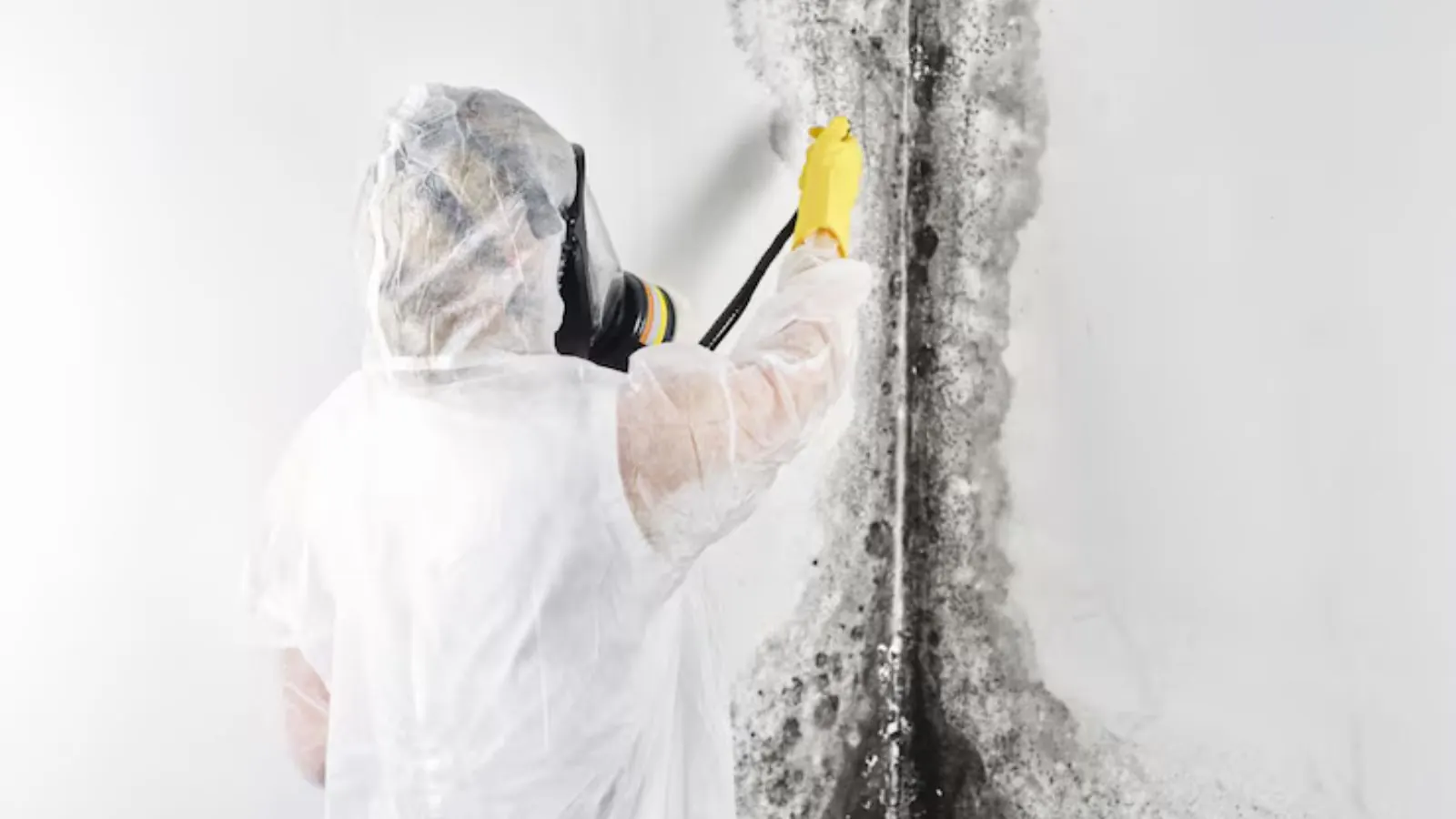
- Workers in protective gear remove affected porous materials and bag them in the containment.
- Surfaces are cleaned with HEPA vacuums and damp wiping, and the space is dried.
- Optional clearance testing by an independent party confirms the result.
This follows ANSI/IICRC S520. Details are on our mold remediation page.
Things That Do Not Work
- Painting over growth.
- Fogging or spraying without removing the source.
- Ozone machines used by an untrained operator.
- Bleach on porous materials.
- Removing drywall without containment.
Cost and Timeline
Costs depend on area, materials, access and the containment needed. We do not publish figures because they would be guesses. A written scope after an assessment is the right basis for a price.
Timelines vary from a day or two for small areas to longer for large ones, plus drying and rebuild time. Ask for a schedule that covers all phases.
After Removal
Once clear, water damage repair rebuilds drywall, trim and flooring. Keep humidity moderate, run fans and recheck vulnerable areas for several months.
Protective Gear for Small Jobs
- Gloves that resist cleaning products.
- Eye protection that seals around the eyes.
- A respirator or mask rated for the job, fitted properly.
- Clothing you can wash or throw away.
- Plastic bags to seal waste before it leaves the room.
Seal the area with plastic and tape if you can, shut off fans that would blow spores into other rooms and clean from the edges inward. Even with this care, larger or porous jobs belong with trained crews.
Choosing a Mold Company
Ask for a written scope that lists containment, removal, cleaning and drying steps. Ask whether the company follows ANSI/IICRC S520 and whether it tests after the work or uses an independent party. A company that cannot explain its process is a warning sign.
Be wary of anyone who offers a price over the phone without seeing the job, or who pushes you to sign quickly. Compare at least two scopes and ask each to explain differences.
Waste Disposal and Cleanup
Contaminated materials are bagged inside the containment and carried out through a controlled route. Crews wipe surfaces and vacuum with HEPA equipment before taking down the barrier. Ask how the waste is handled, since sloppy removal can spread the problem to the rest of the house.
Mold on Fabric, Books and Belongings
Washable fabrics can often be laundered on a hot cycle, then dried fully in a dryer or in sunlight. Hard goods such as glass, metal and sealed plastic can be wiped with detergent and water. Porous items like paper, books and upholstered furniture are harder, and many are discarded if growth is heavy.
Valuable items such as photos, documents and heirlooms can be sent to a specialist who works with water-damaged materials. Keep them dry and sealed in the meantime.
Making Sure It Is Really Gone
After removal, the area should look clean, smell neutral and read dry. If you want proof, independent clearance testing compares the work area with a reference. Keep watching the space for a few months, and call back if staining or a musty odor returns.
Talking With Neighbors and Managers
In a multi-unit building, mold in one unit can point to a leak in a shared wall or roof. Tell the manager in writing and let neighbors know if work will happen near shared walls. A coordinated plan prevents the same moisture source from feeding growth next door after your unit is cleaned.
Keep a copy of the final report and the clearance results, if you had testing, with your home records. Future buyers, insurers and property managers may ask for them.
Bellflower Local Note: Know Who Serves Your Water
If a hidden leak fed growth, the quickest way to prevent a repeat is to confirm your shutoff and know your provider. Lakewood has two utilities, with Golden State Water east of the San Gabriel River at 1-800-999-4033 and the city's Water Resources at (562) 866-9771, extension 2700.
Paramount's city utility serves about 95 percent of the city, and Downey's Utilities Division can be reached at (562) 904-7202. Check your own bill, and see our pages for Lakewood and Paramount for local notes.
Mold Removal FAQ
Some people use it on hard surfaces. It does not reach into porous materials or fix moisture.
Use protective gear suited to the job, and ask a physician if you have health concerns. Large areas should not be DIY.
No. Removal addresses existing growth. Fixing the moisture source and keeping the building dry prevents a return.
There is no single number. Growth on porous materials or anything beyond a small patch should be assessed.
Yes, with the landlord or manager approving access and scope. Report the issue in writing first.